
Multi-Location Reputation Management: Complete Guide for Chains & Franchises 2025
Master multi-location reputation management with our complete guide. Includes enterprise platform comparisons, scalable workflows, franchise strategies, crisis protocols, and 90-day implementation roadmap. Manage 10-500+ locations efficiently.
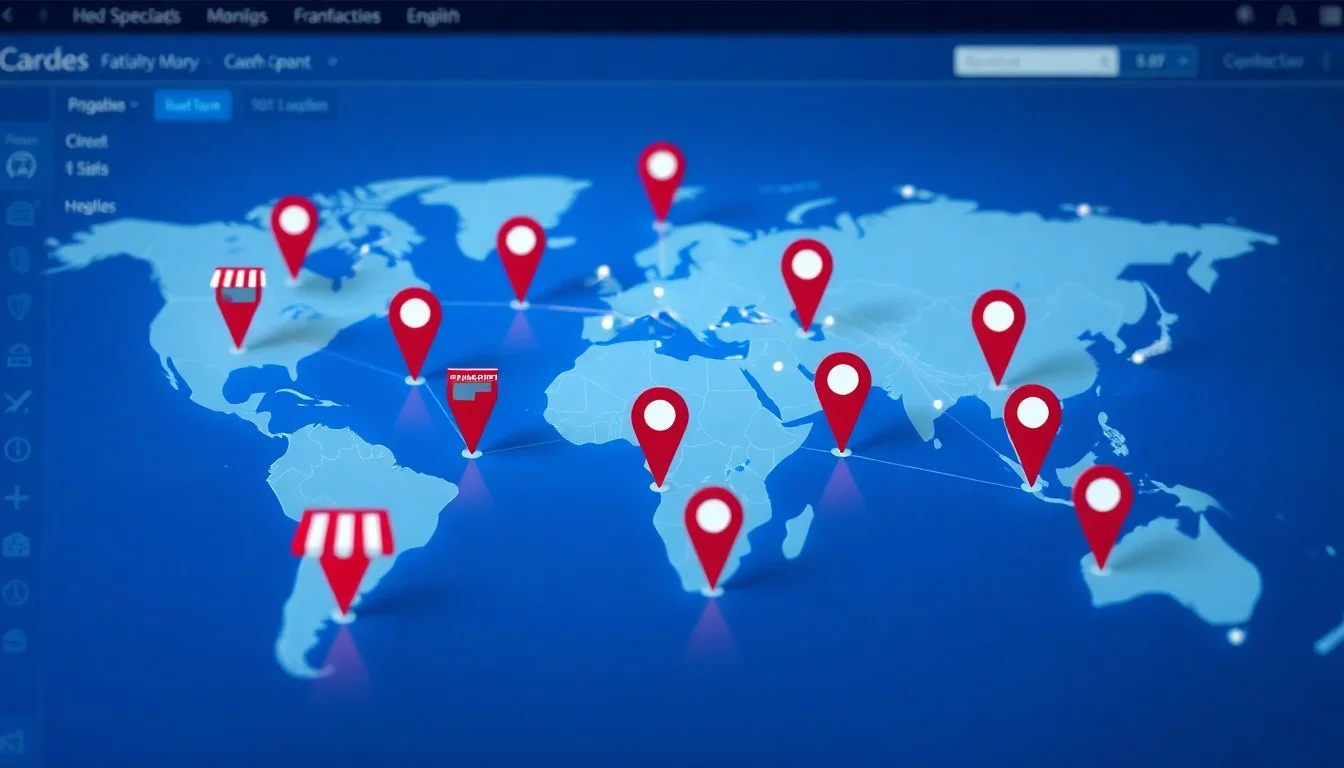
Introduction: The Complexity Multiplier Effect
Running a single business location is challenging enough. Managing reputation across multiple locations? That's exponentially harder than most business leaders realize.
Here's the critical insight that most multi-location operators miss: adding 10 locations doesn't multiply your reputation management complexity by 10—it multiplies it by 15 or more. You're not just managing 10 times more reviews; you're coordinating brand consistency across different markets, managing disparate teams, responding to location-specific issues, and maintaining corporate standards while allowing local flexibility.
Consider this real scenario: A regional dental group with 25 locations faced this exact problem. They had an average rating of 3.8 stars across all locations—some stellar, some struggling. After implementing a comprehensive multi-location reputation management strategy, they improved to 4.6 stars within 12 months. That improvement translated to a measurable increase in new patient acquisition, better retention rates, and stronger market positioning.
The statistics are sobering. A dental practice with 5 locations receives approximately 250 reviews per month (50 reviews per location). A regional restaurant chain with 20 locations receives 1,000 reviews monthly. A healthcare system with 50 locations faces 2,500 reviews per month. Manual management doesn't scale. Most location managers lack the time, training, and tools to respond effectively—and unresponded reviews directly damage your local search rankings and brand perception.
This comprehensive guide addresses the complete multi-location reputation management challenge. We'll walk through the strategic frameworks that enterprise businesses use, the technology platforms that enable scale, the specific workflows that prevent overwhelm, and the practical implementation roadmap that takes you from reactive to proactive reputation leadership.
Whether you're managing 5 franchise locations or 500 corporate branches, the principles in this guide will transform how your organization handles online reviews, customer feedback, and brand consistency across markets.
The Multi-Location Reputation Challenges You're Facing
Before we solve the problem, let's clearly define what makes multi-location reputation management so complex.
Challenge 1: Review Volume Overwhelm
The mathematics are brutal. A single location receiving 50 reviews per month is manageable for one person. But here's what happens as you scale:
- 10 locations × 50 reviews/month = 500 monthly reviews
- 50 locations × 50 reviews/month = 2,500 monthly reviews
- 100 locations × 50 reviews/month = 5,000 monthly reviews
At 5,000 reviews monthly, that's approximately 240 reviews per business day. No single team can manually respond to this volume with quality and consistency. The inevitable result: response rates plummet below 50%, critical negative reviews go unanswered for days or weeks, and your overall location sentiment declines.
The search engine impact is direct. Google and other platforms favor businesses with high response rates (above 80%). When response rates drop, your local pack rankings suffer. When rankings suffer, you lose visibility to customers actively searching for your services. When customers can't find you, revenue declines.
The real cost: One regional restaurant chain we worked with had a response rate of just 28% across their 15 locations. After implementation, they improved to 82%. Within 90 days, they saw an average of 12 new customers per location per month citing online visibility as the discovery channel.
Challenge 2: Inconsistent Brand Messaging
Each location manager responds to reviews differently—sometimes radically differently. One location uses professional, corporate language. Another is casual and uses slang. A third is overly defensive. A fourth apologizes excessively without explaining solutions.
This inconsistency creates several problems:
- Customers notice the variation and question brand competence
- Brand voice becomes muddled across locations
- Some locations represent the brand excellently while others damage it
- Franchisees feel restricted by corporate messaging requirements
- Corporate feels frustrated by franchisees ignoring guidelines
Imagine a customer leaving a 3-star review at your downtown location saying service was slow. If the manager responds with "We appreciate your feedback and have made improvements," but a customer at your suburban location gets "Service was fine, not sure what you expected" to a similar complaint—that inconsistency signals disorganization and poor brand management.
Challenge 3: Location Performance Disparities
In multi-location businesses, you'll inevitably have stars and underperformers:
Example from real data:
- Top location: 4.8 stars, 387 reviews
- Worst location: 3.1 stars, 34 reviews
- Average rating: 3.9 stars across all 15 locations
This variation isn't just a local problem—it becomes a brand problem. Customers research your brand and see the overall rating is 3.9 stars. They visit your weakest location and confirm the low rating. Their negative experience gets attributed to the brand, not that specific location. That customer then warns their network about the brand, not just that location.
Meanwhile, your top performers are effectively subsidizing your bottom performers. The excellent locations generate positive reviews that keep your overall brand average afloat, but it masks the systematic issues at underperforming locations that need intervention.
Challenge 4: Data Fragmentation Across Platforms
Your reviews don't live in one place. They're scattered across dozens of platforms:
- Google (highest priority, but only part of the picture)
- Yelp (critical for restaurants, retail, services)
- Facebook (where older demographics leave reviews)
- Industry-specific platforms (Healthgrades for healthcare, TripAdvisor for hospitality, Avvo for legal, Zillow for real estate)
- Niche platforms (OpenTable, Zocdoc, ServiceMagic, MapQuest, Apple Maps, etc.)
A typical service business might have reviews on 50+ platforms per location. A larger enterprise might track 100+ platforms. Without centralized aggregation, you have blind spots. You respond to Google reviews but miss a viral negative review on Facebook. You see the Yelp rating declining but don't notice it's because of a specific issue trending on TripAdvisor.
This fragmentation also makes trend analysis impossible. You can't identify that a service quality issue is emerging across multiple locations if you're only checking Google once weekly. You can't spot that a particular product is generating negative reviews across your entire chain if reviews are spread across different platforms.
Challenge 5: Scalability Limitations
Manual processes hit a hard ceiling around 5-10 locations. Beyond that, quality degrades exponentially:
- You can't hire someone to manually monitor and respond to reviews for 50 locations
- The cost of hiring location-by-location staff doesn't scale
- Standardized processes fail because of different market conditions
- New locations take months to get "up to speed" on reputation management
- Growth velocity slows because infrastructure can't support it
Every new location you open becomes a liability rather than an asset because your reputation management processes can't absorb the additional complexity. Instead of each new location contributing to your market dominance, it contributes to brand dilution because you can't manage its reputation effectively.
Challenge 6: Local Market Variations
What works in Manhattan doesn't work in suburban Kansas. What drives reviews in an affluent neighborhood differs from what drives reviews in a budget-conscious market.
Urban vs. suburban differences:
- Urban customers leave detailed reviews (10-15% review rate)
- Suburban customers often don't leave reviews unless very satisfied (3-5% review rate)
- Urban competitive landscape is hyperlocal (20+ similar businesses within walking distance)
- Suburban competitive landscape is broader geography (key competitors 5+ miles away)
Regional differences:
- Northeast customers expect professional, no-nonsense interactions
- Southern customers expect friendliness and relationship-building
- West Coast customers prioritize convenience and innovation
- Midwest customers value reliability and value
A corporate response template that works perfectly in California might feel cold and impersonal in Texas. A pricing strategy that dominates in wealthy suburbs fails in working-class neighborhoods. One-size-fits-all corporate policies create friction with location managers who understand their local markets better than headquarters.
The Multi-Location Management Framework: Tier 1, Tier 2, Tier 3
Successful multi-location reputation management requires a clear organizational structure with defined responsibilities at three levels. This framework removes ambiguity about who does what and prevents critical tasks from falling between the cracks.
Tier 1: Centralized Control (Corporate Level)
The corporate team owns the strategic and systemic responsibilities:
Core Responsibilities:
- Brand standards and messaging guidelines
- Review response template library and approval
- Platform account management and access control
- Enterprise technology platform selection and management
- Crisis management protocols and escalation procedures
- Performance benchmarking and competitive intelligence
- Staff training and certification programs
- Data security and compliance
Tools Required:
- Enterprise reputation management platform (Birdeye, Yext, SOCi, or similar)
- Centralized Google Business Profile management
- Multi-location aggregation and analytics dashboard
- Template management system
- Escalation and workflow automation
- Business intelligence platform for reporting
Key Metrics Corporate Tracks:
- Overall brand rating (target: 4.3+ stars)
- Corporate-wide response rate (target: 80%+ within 24 hours)
- Crisis response time (target: <2 hours for detection and assessment)
- Platform compliance (all locations using approved tools)
- Response consistency (brand voice adherence)
- Regional performance rankings
- Competitive positioning by market
Monthly Reporting: Executive dashboard showing all locations, performance tiers, escalations, crisis alerts, and recommendations for underperforming regions.
Tier 2: Regional Management (Area/District Level)
The regional team acts as the bridge between corporate strategy and local execution:
Core Responsibilities:
- Regional performance oversight (usually 10-15 locations per regional manager)
- Location manager coaching and support
- Market-specific strategy customization
- Competitive analysis by region
- Best practice sharing between locations
- Underperformer intervention and improvement plans
- Resource allocation within the region
- Local event coordination (if applicable)
Tools Required:
- Regional performance dashboard
- Location comparison and benchmarking reports
- Location manager training resources
- Communication and coaching tools
- Performance improvement templates
Key Metrics Regional Managers Track:
- Regional average rating (should be within 0.3 stars of corporate average)
- Location-to-location variance (lower is better)
- Regional response rate by location
- Location variance in response quality
- Competitive position by market within region
Weekly Touchpoint: Regional managers review all location performance data, identify underperformers and top performers, and develop intervention or coaching plans.
Monthly Coaching: Regional managers conduct 1:1 sessions with location managers, reviewing their specific metrics, providing feedback, sharing best practices, and aligning on improvement goals.
Tier 3: Local Execution (Location Manager Level)
Location managers own the daily reputation management operations:
Core Responsibilities:
- Daily review monitoring and response
- Review response quality (following brand standards)
- Customer engagement and relationship building
- Review generation campaign execution
- Local listing accuracy (GBP hours, photos, services)
- Staff training on customer service and review requests
- Local marketing and promotion
- Service quality improvement
- Compliance with corporate brand standards
Tools Required:
- Location-specific dashboard
- Mobile app for real-time notifications
- Review response workflows and templates
- Customer feedback systems
- Local performance metrics and leaderboards
Key Metrics Location Managers Track:
- Individual location rating (benchmark within performance tier)
- Weekly new review count
- Response rate (target: 80%+ within 24 hours)
- Average response time
- Sentiment of responses
- Local competitive position
- GBP profile completeness and optimization
- Staff compliance with review request procedures
Daily Operations: Check for new reviews (at minimum twice daily), respond to critical items, ensure response templates are followed, gather feedback for improvement.
Weekly Review: Analyze location-specific metrics, celebrate wins, identify patterns in negative reviews, adjust customer service accordingly.
Example Organizational Structure
For a 50-location regional restaurant chain:
Corporate Reputation Manager (1)
├── Regional Manager - North (manages 15 locations)
│   ├── Location Manager - Boston
│   ├── Location Manager - New York
│   └── Location Manager - Philadelphia (13 more locations)
├── Regional Manager - South (manages 15 locations)
│   ├── Location Manager - Atlanta
│   ├── Location Manager - Miami
│   └── Location Manager - Nashville (13 more locations)
└── Regional Manager - West (manages 20 locations)
    ├── Location Manager - Los Angeles
    ├── Location Manager - San Francisco
    └── Location Manager - Seattle (18 more locations)
Communication Flow:
- Corporate sends monthly brand guidelines and response templates to all regional managers
- Regional managers cascade guidelines to location managers with market-specific notes
- Location managers execute daily, report weekly metrics to regional managers
- Regional managers aggregate data and report monthly to corporate
- Escalations (crises, major issues) bypass normal channels and go directly to corporate
- Best practices from high-performing locations cascade through regional managers to all locations
Google My Business Optimization at Scale
Optimizing Google My Business for one location requires attention to detail. Optimizing GBP for 100 locations requires systems, automation, and clear standards.
Account Structure: Business Groups and Location Groups
For 10-50 locations: Use a Business Group
- Create a single Business Group in Google Business Profile
- Add all locations under the group
- Centralized management dashboard
- One corporate account owner with delegated access
- Bulk editing capabilities for common updates
For 50+ locations: Use Location Groups
- Organize locations geographically (by region, city, or district)
- Assign regional managers as secondary admins
- Maintain centralized control while distributing access
- Hierarchical permission structure
- Easier scaling to hundreds of locations
For <10 locations: Individual management is acceptable
- Each location maintains its own GBP account
- Higher risk of inconsistency
- Requires more manual coordination
- Consider migrating to Business Group as you scale
Consistent NAP Across All Locations
NAP consistency is foundational. Inconsistent Name-Address-Phone data is treated by Google as conflicting information and damages rankings across all your locations.
Critical requirements:
- Each location has a UNIQUE address (not corporate headquarters for all)
- Each location has a UNIQUE phone number OR extension system
- Business name identical across all locations (variations are acceptable: "Subway - Downtown Denver" vs "Subway Downtown Denver")
- Spacing, punctuation, and abbreviations must be consistent
Common mistakes that destroy multi-location SEO:
- Using corporate headquarters address for all locations
- Using a shared phone number for multiple locations
- Formatting addresses inconsistently (101 Main Street vs 101 Main St vs 101 Main)
- Using virtual offices or PO boxes instead of physical addresses
- Duplicate location entries (same address in GBP twice)
- Using outdated addresses for closed locations
Best practices:
- Confirm each location address with Google (use the address verification process)
- Implement a quarterly audit of all location NAP data
- Create a centralized NAP spreadsheet as your source of truth
- Automate NAP distribution to all locations (GBP, Yelp, Facebook, industry sites)
- Set up alerts if location data changes unexpectedly
Category Optimization at Scale
Your primary category should be identical across all locations. It's the strongest signal Google uses to understand what your business does.
Primary category: Must be the same for all locations (it defines your core business)
Additional categories: Can vary by location based on offerings
- A law firm's downtown location specializes in corporate law: add "Business Law"
- The suburban location specializes in personal injury: add "Personal Injury Lawyer"
- Both have "Lawyer" as primary category
Category audit checklist:
- Are all locations using the exact same primary category?
- Have you selected 3-5 additional categories per location based on services offered?
- Are categories accurate to Google's category definitions (not made-up categories)?
- Have you removed irrelevant categories added by customers?
Quarterly review process: Have a team member review GBP categories across all locations, comparing to your master list. Google changes categories periodically, and you need to update them proactively.
Location-Specific Optimization: Descriptions, Photos, Posts
Business Descriptions (70% Template, 30% Local Customization)
Every location should have a GBP description. Create a master template with your brand value proposition, then allow 20-30% local customization:
Template (70%): "Award-winning dental practice providing comprehensive family and cosmetic dentistry. State-of-the-art facilities. Experienced team. Same-day appointments available."
Local additions (30%):
- Location-specific services: "Invisalign specialist," "Implant center," "Pediatric focus"
- Local neighborhood mentions: "Serving the Highlands neighborhood for 12 years"
- Unique features: "In-building parking," "Evening hours," "Spanish-speaking staff"
- Community involvement: "Proud sponsor of Lincoln High School athletics"
Photos and Videos:
Establish minimum standards per location:
- Exterior: Clear storefront photo, professional appearance
- Interior: Clean, inviting waiting area; treatment area if visible
- Products/services: Equipment, products, team at work
- Team: Staff photos (with permission), humanizing the business
- Before/after: Industry-specific (healthcare, beauty, fitness)
Distribution strategy:
- Corporate provides 5-10 brand photos used by all locations
- Each location supplements with 10-15 location-specific photos
- Quarterly refresh (minimum monthly for hospitality)
- Use Google's carousel format to maximize visual impact
- Leverage video: walkthrough tours, team introductions, educational content
Posts (GBP Posts):
The new GBP posts feature requires consistent attention:
Corporate-created posts (distributed to all locations):
- Holiday announcements ("Happy Thanksgiving—we'll reopen Monday")
- Seasonal promotions
- New service launches
- Brand events
Location-specific posts:
- Local events and sponsorships
- Community involvement
- Location-specific promotions
- Local team celebrations
Best practice: Create 2 corporate posts monthly that each location can adapt locally. Provide a template they customize with location details. This ensures consistency while allowing local relevance.
Hours Management at Scale
Hours are one of the most critical GBP elements. Incorrect hours are the #1 reason customers can't contact your business.
Centralized coordination:
- Set standard hours for all locations (if applicable)
- Create a holiday hours schedule 6 months in advance
- Use bulk update tools to distribute standard hours
- Allow location-specific overrides for unique situations
Automation:
- Use GBP API or third-party integrations to auto-sync hours from your POS system
- Pre-schedule holiday closures (Christmas, Thanksgiving, July 4th)
- Create special hours for events, extended hours, temporary closures
Common issues:
- Incorrect hours posted; customers show up when closed
- Holiday hours not updated until the day before (too late)
- Inconsistent time formats (3:00 PM vs 3:00pm vs 3PM)
- Temporary closures not communicated (causing one-star reviews: "They're closed and didn't tell anyone!")
Review Management at Scale: The Three-Tier Response System
Managing 500+ monthly reviews requires systems. Most businesses lack them. This is where enterprise reputation platforms justify their cost.
Aggregating Reviews Across All Platforms
You need one dashboard showing every review across all locations on all platforms.
Essential features:
- Single inbox for all locations
- Filter by location, platform, rating, date, keyword
- Real-time alerts for critical reviews (1-star, mentions of crisis issues)
- Assignment workflow (assign to location manager or regional manager)
- Response template shortcuts
- Bulk actions (approve multiple responses)
- Audit trail (who responded, when, changes made)
Platforms you should monitor:
- Google (highest priority, visible to 90%+ of searchers)
- Yelp (essential for restaurants, retail, services)
- Facebook (where older demographics and friends review)
- Industry-specific (Healthcare: Healthgrades, Google Health; Legal: Avvo, Google Law; Real Estate: Zillow, Realtor; Hospitality: TripAdvisor, OpenTable, Booking)
- Niche platforms (MapQuest, Waze, Apple Maps, Citysearch, DexKnows, ServiceMagic)
Target: Monitor minimum 20-30 platforms per location, maximum 100+ for full coverage.
The Three-Tier Review Response System
Not all reviews require the same effort. Using a tiered response system ensures critical reviews get personalized attention while high-volume reviews get timely acknowledgment.
Tier 1: Automated Acknowledgment (Within 1 Hour)
When to use: Low-priority 5-star reviews Response time: Within 1 hour of publication Automation: Fully automated with pre-written response
Example responses:
5-Star Review: "Amazing service! Best experience I've had." Automated response: "Thank you for the five-star review! We're thrilled you had an amazing experience. We look forward to seeing you again soon!"
3-Star Review: "Okay experience. Average service." Automated response: "Thank you for the feedback. We'd love to understand what we could improve. Please reach out to us directly—we're committed to earning a higher rating."
Tier 2: Template-Based Response (Within 24 Hours)
When to use: 4-star reviews, non-critical 3-star reviews Response time: Within 24 hours, preferably within 4 hours Format: 80% template, 20% personalization Approval: Location manager or regional manager review before posting
Example workflow:
- Location manager sees 4-star review: "Great service, but the bathroom was dirty"
- Template available: "Thank you for the feedback! We're glad you enjoyed the service. [LOCATION PERSONALIZATION] is important to us, so we've [SPECIFIC ACTION] to ensure this doesn't happen again. We'd love another visit!"
- Location manager personalizes: "Thank you for the feedback! We're glad you enjoyed the service. Bathroom cleanliness is important to us, so we've implemented an hourly cleaning schedule and assigned a team member to maintain it throughout the day. We'd love another visit!"
- Submitted for approval to regional manager
- Published to Google within 24 hours
Tier 3: Custom Response (Escalated Issues)
When to use: 1-2 star reviews, complex issues, legal/safety concerns, viral reviews Response time: Within 24 hours (Phase 2 of crisis protocol if viral) Format: Custom response, often requiring investigation Approval: Regional manager or corporate level Scope: May require staff involvement, investigation, and corrective action
Example scenario: 1-Star Review: "Food poisoning at your location. I was sick for 2 days. Never coming back."
- Alert: Escalated immediately to corporate
- Investigation: Corporate reaches out to location manager, determines if this is the only incident or part of a pattern
- Response strategy: If isolated, offer apology + specific corrective action + compensation. If pattern, implement 4-phase crisis protocol.
- Custom response: "Thank you for bringing this serious concern to our attention. This does not reflect our standards. We've immediately [CORRECTIVE ACTION], and we'd like to make this right. Please contact us directly at [PHONE] to discuss how we can serve you better in the future."
Response Rate Targets by Review Rating:
These targets ensure negative reviews get your fastest attention:
- 5-star reviews: 50% response rate (nice-to-have, builds engagement)
- 4-star reviews: 75% response rate (shows customer engagement)
- 3-star reviews: 95% response rate (opportunity to improve)
- 2-star reviews: 99% response rate (critical—shows responsiveness)
- 1-star reviews: 100% response rate within 24 hours (crisis management)
Overall target: 70-80% response rate across all reviews
Review Generation at Scale
You don't wait for reviews to come in. You systematically generate them.
Centralized campaign management:
- Corporate creates review request email templates
- Corporate creates review request SMS templates
- Corporate creates QR codes for each location
- Corporate creates receipt inserts with review requests
- Corporate creates signage with review QR codes
Location-level execution:
- Printing QR code posters
- Training staff on asking for reviews (without incentives in most regions)
- Placing receipt inserts
- Following up with customers via email/SMS sequences
- Incentivizing reviews (within legal limits—no "review and get a discount" in most states)
Target volume by location type:
These are realistic targets based on customer traffic:
- New location (first 90 days): 50+ new reviews
- Established location (ongoing): 10-20 new reviews/month
- High-traffic location (retail, hospitality): 30-100+ new reviews/month
- Lower-traffic location (professional services): 5-10 new reviews/month
Review gating protection (CRITICAL):
Some businesses try to "gate" reviews by asking happy customers for reviews and discouraging unhappy customers. This violates Google's policies and can result in profile suspension.
Correct approach: Send review requests to ALL customers Incorrect approach: Only send review requests to happy customers
Google and Yelp specifically prohibit filtering who gets asked for reviews based on satisfaction. Review the customer, not the review.
Enterprise Reputation Management Platforms: Complete Comparison
Most multi-location businesses need an enterprise platform. The question is which one—each serves different business sizes and needs.
Platform Comparison Matrix
| Platform | Best For | Location Scale | Pricing/Location | Key Differentiator | |---|---|---|---|---| | Birdeye | Scalable multi-location | 10-500 | $299-$399/mo | Easiest implementation, best UI for location managers | | Yext | Massive enterprises | 100-5,000+ | $199-$999/mo | Listings management across 200+ publishers | | SOCi | Franchises | 50-1,000+ | $50-$200/mo (custom) | Localized marketing automation + GBP optimization | | Reputation.com | Enterprise + agencies | 500-10,000+ | Custom (premium) | Most advanced AI, white-label options | | Chatmeter | Mid-market | 20-500 | $299/mo avg | Deep local SEO integration | | BrightLocal | Agencies | Unlimited | $39-$249/mo | Affordable for agencies managing multiple clients |
Platform Deep-Dives
Birdeye ($299-$399/location/month)
Best for: 10-500 location businesses seeking quick implementation
Strengths:
- Easiest to implement (location managers can start using within days)
- Excellent mobile app for location-level review monitoring
- AI-powered response suggestions save time
- Review monitoring across 200+ sites
- Centralized inbox with bulk approval workflow
- Good for franchise systems (location managers like the UX)
- Sentiment analysis and trend identification
Limitations:
- Pricing per location makes it expensive at 500+ locations
- GBP management is basic compared to specialized tools
- Limited customization for enterprise needs
Ideal scenario: Regional dental practice with 25-30 locations, or franchise system with 50-100 locations.
Yext ($199-$999/location/month)
Best for: 100-5,000+ location enterprises
Strengths:
- PowerListings network syncs data across 200+ publishers
- One-time data entry syncs to Google, Yelp, Facebook, industry sites
- Real-time updates across all channels
- Advanced analytics across massive location networks
- Used by Fortune 500 companies
- Exceptional for chains with hundreds of locations
Limitations:
- Expensive for small multi-location businesses
- Steeper learning curve
- Overkill for businesses under 100 locations
- Pricing at scale can be extreme ($999/location × 500 locations = $500K/year)
Ideal scenario: National restaurant chain with 500+ locations, large hotel group with 1,000+ properties, enterprise healthcare system.
SOCi ($50-$200/location/month, custom pricing)
Best for: Franchise systems with 50-500+ locations
Strengths:
- Built specifically for franchises
- Localized marketing automation + reputation management
- Lower cost per location than Birdeye or Yext
- Central control with franchisee autonomy
- GBP posting automation
- Social media management integration
- Excellent for franchise compliance
Limitations:
- Pricing varies wildly based on negotiation
- Less intuitive than Birdeye
- May be overkill for corporate-owned chains
- Requires franchise buy-in (can be difficult)
Ideal scenario: National franchise system like Subway, Anytime Fitness, or Planet Fitness.
Reputation.com (Custom Premium Pricing)
Best for: Enterprise businesses with 500+ locations and complex needs
Strengths:
- Most advanced AI and sentiment analysis
- Customizable to specific workflows
- White-label options for agencies
- Competitive benchmarking
- Multi-language support
- Crisis detection and response
- Professional services integration
Limitations:
- Requires significant investment ($200K+/year typical)
- Longer implementation (6+ weeks)
- Overkill for businesses under 500 locations
- Requires dedicated team to manage
Ideal scenario: National healthcare system with 1,000+ locations, multi-brand enterprises, agencies managing 100+ clients.
Chatmeter ($299/location/month average)
Best for: Mid-market businesses with 20-200 locations, local SEO focus
Strengths:
- Strong local SEO integration
- GBP optimization tools
- Competitive analysis by location
- Review management with AI suggestions
- Good for service businesses (plumbing, HVAC, contractors)
Limitations:
- Pricing per location limits scalability
- Less powerful than Yext or Reputation.com
- Newer platform (less market adoption)
Ideal scenario: Regional HVAC company with 30 locations, plumbing franchises with 40+ locations.
BrightLocal ($39-$249/month unlimited locations)
Best for: Agencies managing multiple clients
Strengths:
- Unlimited locations pricing ($249/month for agency plan)
- Perfect for agencies
- White-label options available
- Citation building services included
- Affordable for small multi-location businesses
- Good local SEO tooling
Limitations:
- Not designed for single large enterprises
- Less powerful than enterprise platforms
- Better for agencies than corporations
Ideal scenario: Marketing agency managing 20 SMB clients with multiple locations each, small dental group with 5-10 locations looking for affordable solution.
Choosing Your Platform: Decision Framework
Starting point: How many locations do you have?
- 3-10 locations: Start with BrightLocal ($249/mo) or Birdeye (expensive per location, but easiest to use)
- 10-50 locations: Birdeye or Chatmeter ($299/location, manageable at this scale)
- 50-200 locations: SOCi (custom pricing, franchise-friendly) or Chatmeter
- 200-500 locations: Yext (planning for scale) or SOCi
- 500+ locations: Yext, Reputation.com, or enterprise Birdeye (negotiated pricing)
Second factor: What's your business model?
- Franchise system: SOCi (built for franchises)
- Corporate-owned chain: Birdeye, Chatmeter, or Yext
- Multi-brand enterprise: Reputation.com
- Managed by agency: BrightLocal
Third factor: What's your budget?
Annual cost estimates:
- BrightLocal: $3,000 (unlimited locations)
- Birdeye at 25 locations: $90,000-$120,000/year
- Chatmeter at 50 locations: $180,000/year
- SOCi at 100 locations: $60,000-$240,000/year (highly variable)
- Yext at 200 locations: $48,000-$240,000/year
- Yext at 500 locations: $120,000-$500,000/year
- Reputation.com: $200,000+/year (custom)
Calculate your cost per location:
- Budget ÷ number of locations = cost per location
- If exceeding $500/location/month, you're in Yext/Reputation.com territory
- If $200-400/location/month, you're in Birdeye/Chatmeter territory
- If under $100/location/month, you need SOCi, BrightLocal, or negotiate enterprise pricing
Performance Monitoring and Analytics
Managing what you measure. You need metrics that matter.
Location Performance Scorecard
Every location needs these 8 key metrics tracked weekly:
1. Average Rating (Target: 4.3+ stars)
This is the ultimate metric. Google weighs this heavily in local rankings. The difference between 4.2 and 4.5 is significant—it directly impacts how often your location appears in local search results.
Action items:
- 4.5+ stars: Maintain current practices; look for opportunities to exceed standards
- 4.3-4.4 stars: On target; focus on consistency
- 4.0-4.2 stars: Below target; investigate service issues, respond to all negative reviews
- Below 4.0 stars: Crisis-level; requires intervention
2. Total Review Count (Benchmark: 100+ for established locations)
Review count is a ranking factor. More reviews (at similar rating) = better ranking position. Locations with 200+ reviews rank higher than those with 50 reviews, all else equal.
Action items:
- Under 50 reviews: Implement aggressive review generation campaign
- 50-100 reviews: Continue steady generation (10+ reviews/month)
- 100-200 reviews: Maintain current pace, emphasize quality over quantity
- 200+ reviews: High performing; focus on maintaining rating while continuing generation
3. Review Velocity (New reviews/month)
How fast are new reviews coming in? Declining velocity signals a problem. Increasing velocity signals growth and engagement.
Targets by location type:
- High-traffic (retail, hospitality): 30-100+ new reviews/month
- Medium-traffic (professional services): 10-20 new reviews/month
- Lower-traffic (specialist services): 5-10 new reviews/month
4. Response Rate (Target: 80%+)
Google explicitly states response rate affects local rankings. Locations with 80%+ response rates rank higher.
Calculation: (Reviews with responses ÷ Total reviews) × 100
Action items:
- 90%+: Excellent; maintain
- 80-89%: Good; continue current pace
- 70-79%: Below target; dedicate resources to catch up
- Below 70%: Crisis; implement emergency response protocol
5. Response Time (Target: <24 hours)
Speed matters. Google rewards quick responses. Customers notice. Research shows reviews responded to within 24 hours generate positive sentiment about the response.
Measurement: Average hours between review publication and response
Action items:
- Under 4 hours: Exceptional; likely using automation
- 4-12 hours: Good
- 12-24 hours: Acceptable
- 24-48 hours: Too slow; implement faster workflow
- Over 48 hours: Unacceptable; reorganize response system
6. Sentiment Score (Positive, neutral, negative distribution)
Not all reviews at the same star level have the same sentiment. A 3-star review saying "Good service, but overpriced" is different from "Terrible—would give zero stars if I could."
Measurement: Advanced platforms analyze language tone; calculate manually as (positive reviews ÷ total reviews) × 100
7. Local Pack Rankings (Top keywords by location)
Google Local Pack shows the top 3 businesses. Ranking in the pack is the ultimate goal.
Track for each location:
- Primary keyword: "Dentist near me" or "Plumber [City Name]"
- Secondary keywords: Specialty services
- Map position: What rank for your primary keyword?
Target: Top 3 for primary keyword, top 5 for secondary keywords
8. GBP Profile Completeness (Target: 100%)
Google's profile completeness score affects rankings. Complete profiles with photos, posts, hours, description, website, phone all visible rank better.
Checklist:
- Business name
- Address
- Phone number
- Website
- Hours
- Category (primary)
- Description
- 10+ photos minimum
- Recent posts (within 30 days)
- Services/products listed
- Attributes selected
- Business type correct
Benchmarking: The A/B/C Tier System
Instead of treating all locations equally, implement a tiered system based on performance.
A-Tier Locations (Top 20%)
- Average rating: 4.5+ stars
- Review count: 100+ reviews
- Response rate: 90%+
- Monthly review generation: 20+ new reviews
- Staff behavior: Following standards consistently
B-Tier Locations (Middle 60%)
- Average rating: 4.0-4.4 stars
- Review count: 50-99 reviews
- Response rate: 70-89%
- Monthly review generation: 10-19 new reviews
- Staff behavior: Generally following standards, some inconsistency
C-Tier Locations (Bottom 20%)
- Average rating: Below 4.0 stars
- Review count: Under 50 reviews
- Response rate: Below 70%
- Monthly review generation: Under 10 new reviews
- Staff behavior: Not following standards, low engagement
Strategic actions by tier:
A-Tier: Recognition and rewards
- Public recognition in company communications
- Feature as "best practice" location
- Bonus or incentive compensation
- Speaking role in training sessions
- Early access to new programs
B-Tier: Support and coaching
- Monthly coaching with regional manager
- Best practice sharing from A-Tier locations
- Training resources and webinars
- Clear improvement roadmap
- Check-in meetings to ensure progress
C-Tier: Intervention and turnaround
- Immediate audit of service quality and processes
- Assigned mentor from A-Tier location
- Weekly performance check-ins
- Mystery shopper to identify issues
- Possible staffing changes if culture/behavior is problematic
- 90-day improvement plan with specific targets
- If no improvement: Consider franchise termination, management change, or closure
Executive Dashboard and Reporting
Corporate needs a monthly snapshot of all locations. This dashboard should be one-page and show:
Summary Metrics:
- Overall brand rating across all locations
- Number of locations in each tier (A/B/C)
- Month-over-month rating trend
- Overall response rate
- Crisis alerts (if any)
Location Breakdown:
- All locations ranked 1-N by rating
- Each location's: rating, review count, response rate, velocity, tier
- Color-coded by performance (green=A, yellow=B, red=C)
- Trend arrows (improving, declining)
Alerts:
- Locations with rating drops >0.3 stars this month
- Locations with response rate below target
- New crisis-level reviews requiring attention
- Top and bottom 3 performers
Recommendations:
- Recognition for top 3 performers
- Coaching needed for locations trending downward
- Resources required for C-tier interventions
Crisis Management for Multi-Location Businesses
Reputation crises are inevitable. The difference between winning and losing is response speed and coordination.
Types of Multi-Location Crises
Type 1: Single-Location Crisis (Isolated Incident)
One location faces a serious problem: food poisoning, employee misconduct, safety incident, ethical violation.
Challenge: Does the crisis stay isolated or spread to brand-level perception?
Example: A single Chipotle location has food poisoning. If not handled well, it damages the entire brand (as they learned in 2015).
Type 2: Multi-Location Crisis (Systematic Issue)
A problem affects many locations simultaneously: product recall, security breach, discriminatory policy, corporate scandal.
Challenge: Coordinating response across all locations while addressing root cause.
Example: A hotel chain discovers corporate-wide data breach affecting all 500+ locations' customer data.
Type 3: Viral Review Crisis (One Review Impacts All)
A single review goes viral on social media, national media picks it up, all locations impacted by association.
Challenge: Responding fast enough to contain spread before national media coverage.
Example: A single negative video at one location goes viral on TikTok with millions of views.
The Four-Phase Crisis Response Protocol
Phase 1: Detection and Assessment (0-1 Hour)
Actions:
- Automated alerts detect spike in negative reviews or crisis keywords
- Sentiment analysis flags language like "food poisoning," "unsafe," "discrimination"
- Regional manager notified immediately
- Corporate reputation team investigates
- Determine: Is this single-location or multi-location?
- Assess severity: Is this industry crisis, brand crisis, or local issue?
Timeline: Detection to assessment = 15-30 minutes maximum
Output: Crisis brief to executive team with recommendation: "Single-location issue. Recommend Phase 2 response from location level." OR "Multi-location issue. Escalating to Phase 2 corporate response."
Phase 2: Immediate Response (1-6 Hours)
Actions:
- Pause all automated review responses (to ensure consistency)
- Gather facts: What actually happened? Interview involved staff.
- Legal and PR team review facts and develop messaging
- Craft crisis-specific response template (don't use standard templates)
- Issue holding statement: "We're aware of [issue] and taking it seriously"
- Alert corporate leadership and franchisees (if applicable)
- Begin real-time monitoring across all platforms
Sample holding statement: "We're aware of [specific issue] at our [Location Name] location. This does not reflect our standards. We're actively investigating the situation and will provide a full update within 24 hours. Customer safety and satisfaction are our top priorities."
Timeline: 1-6 hours from initial detection
Output: Crisis response plan, holding statement published, stakeholders alerted
Phase 3: Resolution and Communication (6-24 Hours)
Actions:
- Complete investigation; determine root cause
- Implement immediate corrective actions
- Draft detailed public response (not generic)
- Respond individually to affected customers
- Update location signage/website if needed
- Brief all staff on response messaging
- Proactive outreach to media if high-profile
Sample detailed response (more specific than holding statement): "Thank you for bringing this to our attention. We've completed a thorough investigation and identified that [specific issue]. We've immediately [specific corrective action]. We're also implementing [systemic improvement] to ensure this doesn't happen again. We'd like to make this right—please contact us directly at [phone]."
Timeline: 6-24 hours from initial detection
Output: Detailed response published, individual customer outreach, media statement (if needed), staff briefed
Phase 4: Recovery and Rebuilding (1 Week - 1 Month)
Actions:
- Transparent updates on corrective measures
- Follow-up with affected customers
- Review generation campaign to dilute negative reviews
- Staff training refresh
- Mystery shopper audit to verify improvements
- Weekly sentiment monitoring
- Executive communication to stakeholders
Timeline: 1 week to 1 month (or until sentiment returns to baseline)
Output: Recovered reputation, implemented systemic improvements, team trained
Real Crisis Example
Scenario: A 15-location dental practice has a patient report online: "Dentist injured my tooth. Charging me $2,000 to fix his mistake. Refusing to help me."
Phase 1 (0-30 min):
- Alert detected at 9:15 AM
- Regional manager and corporate review
- Determine: Single location crisis (specific provider), isolated incident
- Severity assessment: Medium (patient financial/medical concern, not safety threat)
Phase 2 (30 min - 2 hours):
- Investigate: Dental director contacts provider, reviews patient record
- Facts: Patient had pre-existing tooth condition; provider noted it pre-procedure; patient may be confusing pre-existing issue with new injury
- Holding statement: "We're aware of this concern and are investigating thoroughly"
- Legal review: No liability concern, but empathy needed
Phase 3 (2-6 hours):
- Detailed response: "Thank you for bringing this to our attention. We've reviewed the patient record and [date] procedure notes, which documented the [specific condition] present before treatment. However, we understand patient frustration. We'd like to discuss with you directly. Our practice manager will contact you today to find a resolution."
- Proactive call to patient from practice manager, offering to cover X-ray and second opinion cost
- Patient satisfied, response updated to acknowledge accommodation
Phase 4 (1-2 weeks):
- Follow-up with patient (she's satisfied)
- Review sentiment: Rating stable
- Staff training on documentation for patients with pre-existing conditions
Result: Crisis contained, patient satisfied, no brand damage.
Franchise-Specific Reputation Management Strategies
Franchises operate under unique constraints: corporate sets standards, but franchisees control execution.
Corporate vs. Franchisee Responsibilities
Corporate Must Provide:
- Brand guidelines and reputation standards
- Technology platform (usually corporate pays)
- Training and certification programs
- Performance monitoring and coaching
- Crisis support and escalation protocol
- Response templates and content
- Marketing support for reputation campaigns
Franchisee Must Execute:
- Daily review monitoring and response
- Service quality that generates good reviews
- Review generation campaigns
- GBP profile maintenance and accuracy
- Staff training on customer service
- Local community engagement
- Compliance with corporate standards
The Core Challenge: Corporate can't control franchisees, but is held accountable for brand. A single bad franchisee destroys corporate reputation.
Franchise Reputation Challenges
Challenge 1: Quality Control Variability
Each franchisee operates independently. One might be excellent. Another might neglect service quality. Corporate has limited direct control without violating franchise independence.
Challenge 2: Technology Adoption Resistance
Many franchisees resist corporate initiatives: "I've been doing this for 10 years my way." Reputation management feels like another burden on their time.
Challenge 3: Cost Objections
Franchisees see platform subscription costs and resist. "Why should I pay for this? My location is doing fine." (It's not, but they don't see the data.)
Challenge 4: Brand Damage from Underperforming Franchisees
Customers don't distinguish "corporate-owned" from "franchise." When one franchisee has 3-star reviews, customers think the entire brand is 3-star. One bad franchisee drags down the entire system's perception.
Franchise Success Strategies
Strategy 1: Mandatory Reputation Management (In Franchise Agreement)
Write reputation management into the franchise agreement as a requirement:
Sample franchise agreement clause: "Franchisee must maintain a minimum 4.0 average rating on Google Reviews at all times. Franchisee must respond to 100% of 1-2 star reviews within 24 hours. Franchisee must use the approved reputation management platform (provided by Franchisor). Failure to maintain these standards results in [corrective action plan/loss of territory rights/termination]."
This removes ambiguity: It's not optional. It's a requirement like food safety or training.
Strategy 2: Centralized Platform with Franchisee Access (Corporate Pays)
Corporate provides and pays for the enterprise platform. Franchisees get free access to their location dashboard. They see their metrics. They understand their performance.
Benefits:
- Removes cost objection
- Creates transparency (franchisee sees their rating vs. chain average)
- Ensures compliance (corporate sees who's responding, who's not)
- Enables coaching (regional manager can see what franchisee is doing right/wrong)
Implementation:
- Corporate selects platform (typically Birdeye or SOCi for franchises)
- Assign corporate account owner
- Delegate regional manager access
- Franchisees get read-only to corporate templates, write access to their location
- Monthly reporting to franchisee on performance
Strategy 3: Training and Certification Programs
Many franchisees want to succeed but don't know how. Provide training:
Reputation management certification (4-part program):
- Why reputation matters (business impact)
- Review response best practices (tone, speed, approach)
- Review generation campaigns (how to systematically get more reviews)
- Platform training (specific tool your chain uses)
Deliver: In-person at regional meetings, online modules, recorded webinars, one-on-one coaching
Certification: Franchisees who complete get recognition, maybe a discount on next year's fee
Strategy 4: Performance-Based Incentives
Reward top performers:
- $200-500 bonus for franchisees who maintain 4.5+ rating for 3+ consecutive months
- Marketing co-op fund allocations (higher allocation for top 20% performers)
- Preferential territory expansion for franchisees who perform well
- Public recognition in franchise newsletter and annual conference
- "Franchisee of the Month" featuring in corporate marketing
The message: "Excellent reputation management pays—literally."
Best Practices by Business Type
Multi-location strategies differ by industry. Here's what works in each sector.
Retail Chains (10-100 Locations)
Unique challenges:
- Customer volume creates review volume
- Inventory and price consistency matter
- Local staff turnover is high
- Experience varies by store layout/management
Success strategies:
- Weekly inventory and pricing consistency audits
- Monthly staff training on customer service
- Visual merchandising standards (affects experience, impacts reviews)
- Seasonal campaign coordination (Black Friday, holidays)
- Local community event participation
Target metrics:
- 4.4+ average rating
- 50+ reviews per location per year
- 85%+ response rate
- <24 hour response time
Restaurants (QSR, Fast Casual, Full Service)
Unique challenges:
- Food quality inconsistency across locations
- Staff turnover is extremely high
- Wait times and service speed matter greatly
- Daily food safety is critical
Success strategies:
- Daily food quality spot-checks across locations
- Kitchen staff training and certification
- Server training on customer interaction
- Mystery shopper program (monthly minimum)
- Response focus on food quality and speed complaints
Specific templates needed:
- "Slow service" response
- "Food quality" response
- "Wait time" response
- "Rude staff" response
Target metrics:
- 4.3+ average rating
- 100+ reviews per location per year (high customer volume)
- 90%+ response rate
- <4 hour response time
Healthcare Systems (Hospitals, Clinics, Dental)
Unique challenges:
- Clinical outcomes affect reviews, not just customer service
- Privacy concerns (HIPAA compliance in responses)
- Emotional stakes (health is personal)
- Specialist referrals depend on reputation
- Insurance and billing complaints common
Success strategies:
- Clinical quality improvement programs
- Patient communication training for staff
- Detailed response templates (protecting privacy while addressing concerns)
- Billing department training on patient communication
- Specialist coordination (dentist, cardiologist, etc. have different review drivers)
Specific templates:
- "Wait time" response
- "Billing issue" response
- "Clinical concern" response (careful—may need medical director review)
- "Staff behavior" response
Target metrics:
- 4.5+ average rating (healthcare expects high ratings)
- 200+ reviews per established location
- 95%+ response rate
- <24 hour response time for negative reviews
Automotive (Dealerships, Service Centers)
Unique challenges:
- High-value transactions create emotional investment
- Service quality directly affects vehicle reliability
- Pricing transparency is critical (often complaint source)
- Warranty and repair disputes are common
- Parts availability affects customer satisfaction
Success strategies:
- Service advisor training on transparency and communication
- Price quote confirmation in writing
- Regular vehicle updates on repair status
- Warranty explanation clarity
- Service manager review of all negative reviews personally
Specific templates:
- "Pricing concern" response
- "Service quality" response
- "Wait time" response
- "Warranty dispute" response
Target metrics:
- 4.3+ average rating
- 100+ reviews per location per year
- 90%+ response rate
- Same-day response for pricing concerns
Hotels and Hospitality
Unique challenges:
- Guest experience is entire stay (not single transaction)
- Room cleanliness is paramount
- Amenities and location affect experience
- Staff friendliness is critical
- Booking accuracy ("photo vs. reality" complaints)
Success strategies:
- Daily housekeeping quality audits
- Staff hospitality training (friendliness, responsiveness)
- Photo accuracy and website matching
- Response to negative reviews offering "make-right" compensation
- Front desk training on addressing concerns immediately
Specific templates:
- "Dirty room" response
- "Noisy room" response
- "Staff rudeness" response
- "Amenity missing" response
- "Booking accuracy" response (most common in hospitality)
Target metrics:
- 4.4+ average rating
- 200+ reviews per location per year (volume is high)
- 95%+ response rate
- <2 hour response for negative reviews
Professional Services (Law, Accounting, Real Estate)
Unique challenges:
- Few customers per location (low review volume is natural)
- High-value, long-term relationships
- Outcome-dependent satisfaction (client got result they wanted?)
- Professional credibility is everything
- Confidentiality concerns in responses
Success strategies:
- Client communication during engagement (set expectations)
- Regular status updates and transparency
- Post-engagement follow-up
- Referral program (organic review generation)
- Professional response tone (formal but warm)
Specific templates:
- "Outcome disappointment" response (careful—don't admit liability)
- "Communication" response
- "Billing" response
- "Professionalism" response
Target metrics:
- 4.6+ average rating (professional services expect high ratings)
- 50+ reviews per location (naturally low volume is OK)
- 100% response rate (fewer reviews = time to respond to all)
- <48 hour response time (same expectation of professional response)
90-Day Multi-Location Reputation Rollout Plan
Ready to implement? Follow this 90-day roadmap to transform your multi-location reputation.
Month 1: Audit and Foundation (Weeks 1-4)
Week 1-2: Audit Current State
- Check every location's Google rating and review count
- Audit NAP (name, address, phone) consistency across all locations
- Identify gaps in GBP profiles (photos, hours, description, posts)
- Calculate current response rate by location
- Document current tools and processes
- Identify A/B/C tier locations based on ratings
Week 3: Select Platform and Team
- Decide: Birdeye? Yext? SOCi? BrightLocal?
- Set up enterprise platform account
- Assign corporate reputation manager
- Identify regional managers who'll oversee locations
- Create communication list
Week 4: Build Framework and Templates
- Document Tier 1/2/3 organizational structure
- Write review response templates (5-star, 4-star, 3-star, 1-2 star)
- Create crisis response protocols
- Document response rate targets by review rating
- Build location performance scorecard template
Month 1 Success Metric: All locations identified, platform selected, team aligned, templates created.
Month 2: Implementation and Training (Weeks 5-8)
Week 5: Platform Setup
- Create Business Group in GBP
- Add all locations to platform
- Set up delegated access (regional managers, location managers)
- Configure real-time alerts
- Test workflows
Week 6: NAP Audit and Fixes
- Audit each location's NAP data
- Fix inconsistencies (address formatting, phone extensions)
- Ensure each location has unique address and phone
- Submit addresses for verification in GBP
- Clean up duplicate listings
Week 7: GBP Optimization
- Audit and complete all location profiles with business description, photos, correct hours, website link, categories
- Add Q&A answers for common questions
- Create GBP posts (2 corporate posts for locations to adapt)
Week 8: Training
- Train all location managers on platform basics (2-hour webinar)
- Train regional managers on coaching process (1-hour deep dive)
- Distribute response templates and brand guidelines
- Practice response workflow (draft, approve, publish)
- Answer questions and troubleshoot
Month 2 Success Metric: All locations on platform, GBP optimized, team trained, ready to execute.
Month 3: Optimization and Scaling (Weeks 9-12)
Week 9: Response Workflow Launch
- Activate automated responses (Tier 1)
- Enable template-based responses (Tier 2) with approval workflow
- Set up daily location manager check-in routine
- Monitor response times and approval queue
- Adjust workflows based on bottlenecks
Week 10: Review Generation Campaign
- Send first batch of review requests (to recent customers)
- Create location-specific QR codes for marketing
- Train staff on asking for reviews (without gating)
- Place signage and include in receipts
- Track velocity—aim for 10+ new reviews per location
Week 11: Performance Monitoring
- Pull first performance scorecards (Week 1-4 baseline)
- Identify A/B/C tier locations
- Create improvement plans for C-tier locations
- Recognize A-tier locations
- Begin coaching regional managers on tier assignments
Week 12: Optimization and Scaling
- Review Month 1-3 performance data
- Identify what's working, what's not
- Adjust templates based on performance
- Plan scaling to additional locations (if applicable)
- Document best practices for system rollout
Month 3 Success Metric: Reputation management active at all locations, response rate improving, review velocity increasing, tier system in place.
90-Day Success Metrics
By end of Month 3, expect:
Response Rate: Improved from baseline to 70%+ (target 80% by Month 6) Review Velocity: Established baseline and increasing 10%+ month-over-month Average Rating: Stable or improving (1-2 week lag before seeing impact) GBP Completeness: 95%+ at all locations Team Alignment: 100% of location managers trained and participating Platform Adoption: All locations using platform actively
Scaling From 10 to 100+ Locations
The framework works the same at 10 locations and 100+ locations. Scale by:
10-25 locations: Assign 1 regional manager per 10-15 locations
25-50 locations: Assign 1 regional manager per 10-15 locations, add district manager layer
50-100 locations:
- 1 corporate reputation manager (overall strategy)
- 3-5 regional managers (regional oversight)
- Regional managers coach location managers
100+ locations:
- 1 director of reputation
- 3-5 regional reputation managers
- District managers under regional managers
- Location managers execute daily
Key principle: Never exceed 1 regional manager per 15 locations. Beyond that, quality degrades.
Key Takeaways: 10 Principles of Multi-Location Reputation Excellence
-
Implement a 3-tier structure (Corporate/Regional/Local) with clear responsibilities and metrics for each level.
-
Invest in an enterprise platform that aggregates all locations and all platforms—manual management doesn't scale beyond 5-10 locations.
-
Optimize GBP systematically using Business Groups for centralized control, NAP consistency, and location-specific customization.
-
Use a 3-tier response system (automated/template/custom) to respond to all reviews at appropriate speed and quality level.
-
Benchmark locations using A/B/C tiers and take different actions: recognize A-tier, coach B-tier, intervene with C-tier.
-
Generate reviews continuously through systematic campaigns—don't wait for them to come in naturally.
-
Respond to negative reviews publicly fast (within 24 hours)—this is your highest-impact reputation action.
-
Monitor trends and data across all locations to spot patterns that individual location managers might miss.
-
For franchises, make reputation mandatory by writing it into franchise agreements with performance minimums.
-
Prepare for crises with documented protocols for detection, response, communication, and recovery.
The Bottom Line
Managing reputation across multiple locations is exponentially harder than single-location reputation. But with the right framework, platform, and processes, it's absolutely manageable—even at massive scale.
The businesses dominating their markets aren't those with the most locations. They're the ones who've mastered consistency while maintaining local relevance. They respond to reviews faster. They maintain higher ratings. They generate more reviews. They're visible in local search.
That competitive advantage compounds. Better ratings drive more visibility. More visibility drives more customers. More customers create more reviews. More reviews reinforce ratings.
Your multi-location reputation management isn't a cost center. It's a growth engine. Invest in it accordingly.
Start with your audit this week. Choose your platform next week. Train your team the week after. By this time next year, you could be the most visible, highest-rated, most-reviewed business in your category across your entire market.
Related Articles
Deepen your multi-location reputation management knowledge:
- Google Business Profile Optimization
- NAP Consistency and Citations
- Google Maps Ranking Factors
- Online Review Management Fundamentals
- Reputation Crisis Management
- Negative Review Response Strategies
- Schema Markup for Reviews
Frequently Asked Questions
Q: What's the minimum number of locations where a dedicated platform makes sense?
A: For most businesses, 8-10 locations is the breakeven point where a platform (like BrightLocal at $249/month) is cheaper than hiring one part-time person to manage reviews manually. If you're serious about reputation, invest in a platform.
Q: Should franchise location addresses be the same or different?
A: Each franchise location must have its own unique address. Using the corporate headquarters address for all locations violates Google's guidelines and destroys multi-location SEO. Each location has a unique address, unique phone number (or extension), and unique listing.
Q: How often should we update GBP profile photos?
A: Monthly minimum, more frequently for hospitality/retail. Google favors fresh content. A location with the same 5 photos for 2 years ranks lower than one with new photos monthly.
Q: What's the ideal response to a 5-star review?
A: Short, genuine, and appreciative: "Thank you for the five-star review! We appreciate you choosing us and look forward to serving you again." That's it. Don't over-respond. A 50-word response is overkill for a 5-star review.
Q: How do we handle franchise conflicts where a franchisee refuses to comply with reputation standards?
A: First: coaching and support. Second: written performance plan. Third: financial incentives tied to compliance. Fourth: escalation procedures. If still non-compliant after 90 days, this is a franchisee selection issue (they may not be a fit).
Q: Can we automate review responses entirely?
A: Yes and no. Automated responses work for 5-star reviews and initial acknowledgment. But 1-2 star reviews need human judgment. You want your brand voice on negative reviews, not an AI.
Q: How do we prevent review gating (filtering happy vs. unhappy customers)?
A: Request reviews from ALL customers, not just satisfied ones. Train staff: "Ask everyone for a review." If you're caught filtering, Google can suspend your profile.
Q: What's the typical improvement timeline for a bottom-tier location?
A: C-tier to B-tier: 2-3 months with active support. B-tier to A-tier: 3-6 months of consistent excellent service. Quick fixes (better responses) help immediately. Real improvement (service quality) takes longer.
Q: Should each location have its own Facebook page or one corporate page?
A: Both. Corporate page for brand-level content and announcements. Individual location pages for local engagement and reviews. Drive local customers to location pages; they serve as backup reputation channels.
Q: How do we handle a viral negative review that's spreading on social media?
A: Phase 2 crisis protocol: Respond publicly on GBP within 2 hours acknowledging the issue. Post on corporate social media acknowledging and addressing. Offer direct contact for resolution. Speed and transparency are critical.
Q: What's the cost of multi-location reputation management at different scales?
A: 10 locations ($3,000-4,000/month), 50 locations ($9,000-20,000/month), 100 locations ($19,800-40,000/month), 500 locations ($60,000-240,000/month depending on platform choice). The larger your scale, the more important it is to negotiate enterprise pricing.
Related Articles
Review Analytics & Reporting: Complete Guide to Measuring Reputation ROI 2025
Master review analytics with our complete guide. Includes key metrics, platform analytics, reporting templates, competitive benchmarking, ROI measurement, and dashboard creation for data-driven reputation management.

Auto Dealership Reviews: Complete Reputation Management Guide 2025
Master car dealership review management. Includes Google Reviews, DealerRater strategies, sales vs service tactics, response templates, manufacturer programs, and multi-rooftop management.